My Portfolio
My investable portfolio on wikifolio.com

Understanding wikifolio
What Is wikifolio
wikifolio.com is a social trading platform on which traders, portfolio managers, and financial professionals publish “wikifolios”: virtual model portfolios built around one clearly documented investment strategy. Every position, every trade, and every performance figure is visible to anyone browsing the platform, there is no hidden decision-making behind the returns shown.
Unlike a typical fund, anyone can create a wikifolio: full-time investors, professional traders, or specialists from entirely different fields who want to share how they would manage a portfolio. To be taken seriously by the community, the strategy has to be explained in enough detail that a prospective investor understands exactly what they would be buying into, which markets, which instruments, and under what conditions positions are opened or closed.
From Model Portfolio to Tradable Certificate
A wikifolio starts out as a purely virtual portfolio. If it gathers enough investor interest and meets the platform’s issuance requirements, it becomes “investable”: the issuer, Lang & Schwarz, creates an open-ended index certificate that mirrors the wikifolio’s holdings 1:1. From that point on, real money can flow into the strategy.
These certificates then trade like any other listed security on the Stuttgart Stock Exchange, so investors don’t need to place the underlying trades themselves; the certificate simply tracks them. Every wikifolio certificate is also collateralized: the issuer sets aside securities and cash equivalent to the outstanding certificates, which largely removes issuer risk, at no extra cost to the investor.
The Fee Structure
wikifolio’s cost model has two components, and both are already priced into the certificate, nothing is billed separately.
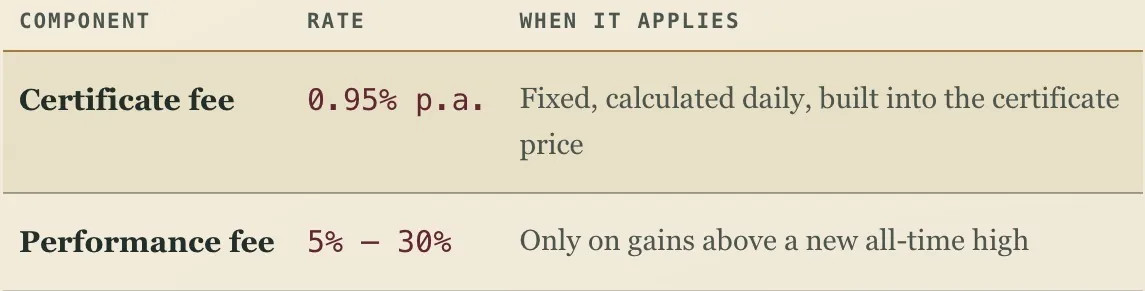
The performance fee follows the high-watermark principle: it is charged only when the certificate reaches a new all-time high, and only on the gain above the previous high. In other words, there is no fee on profit that merely brings the price back to a level it has already reached before.
Example. A certificate’s previous high was €140. It later drops to €120, then recovers to €150. The performance fee applies only to the €10 gain above the old €140 high; not to the full €30 recovery from €120.
Each trader sets their percentage once, when the wikifolio is created, somewhere between 5% and 30%; it cannot be changed afterward. Beyond these two components, there are no entry fees, no subscription costs, and no transaction fees for trades executed within a wikifolio. The only additional cost is the standard buy/sell fee your own bank or broker charges, the same as for any other security.
About my Portfolio on wikifolio.com
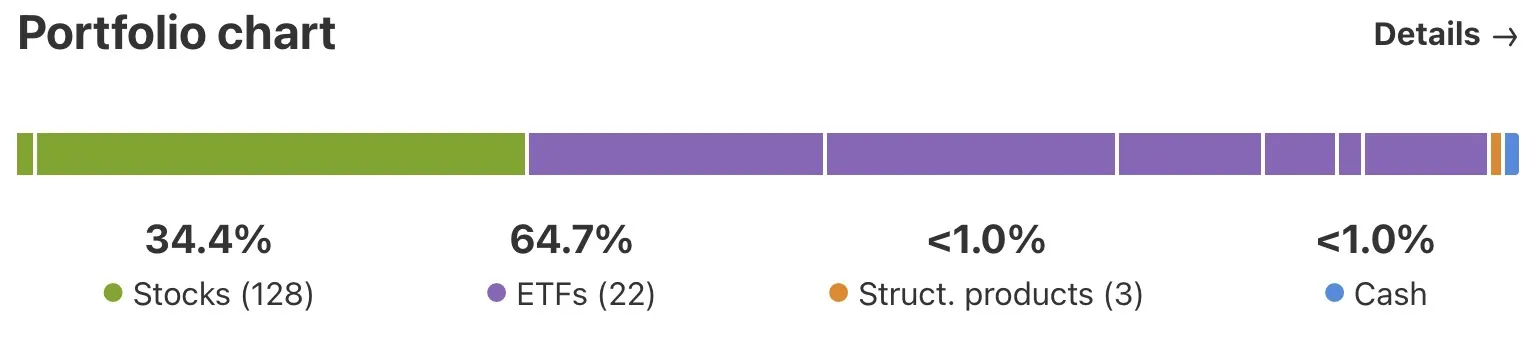
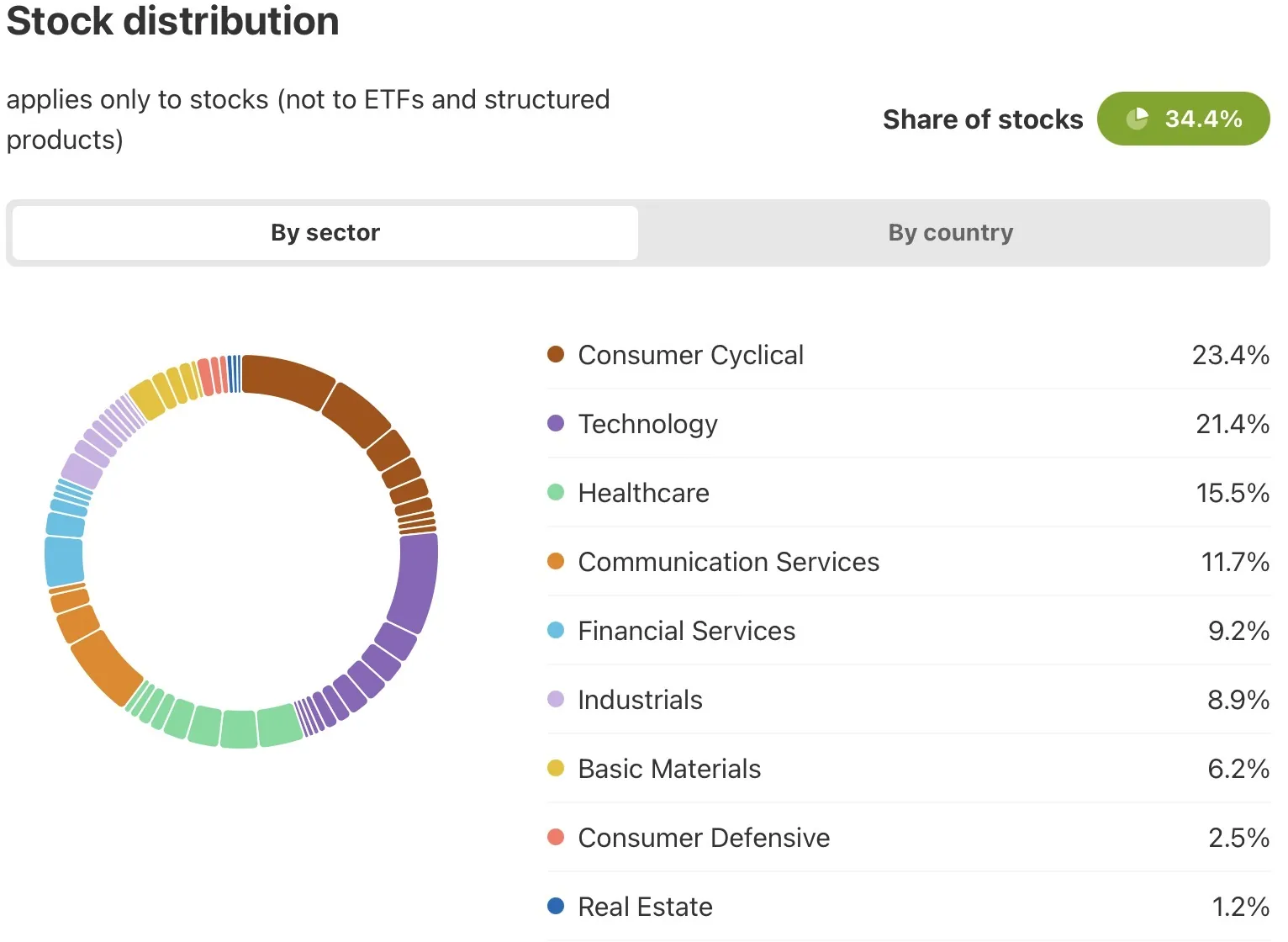
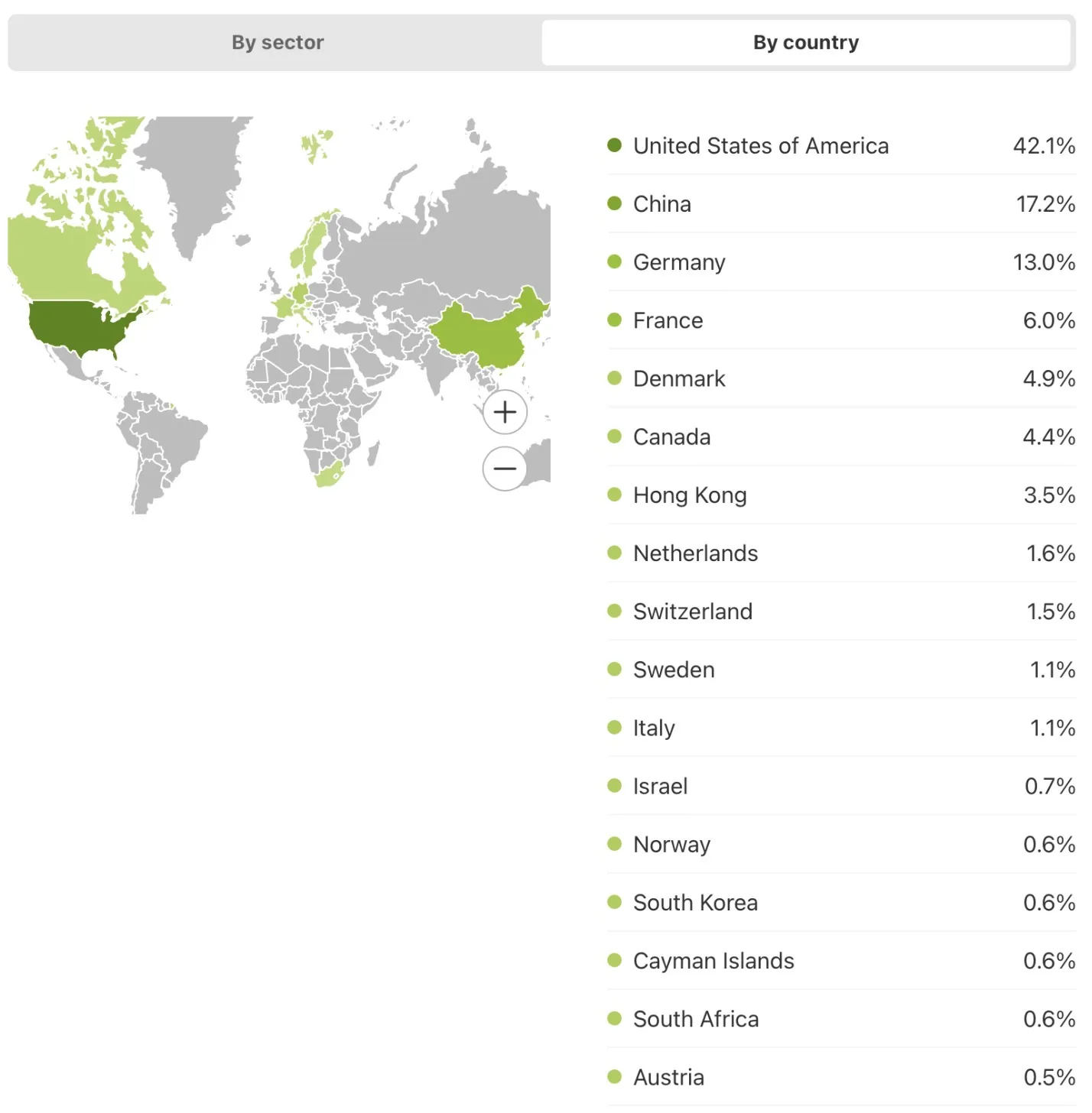
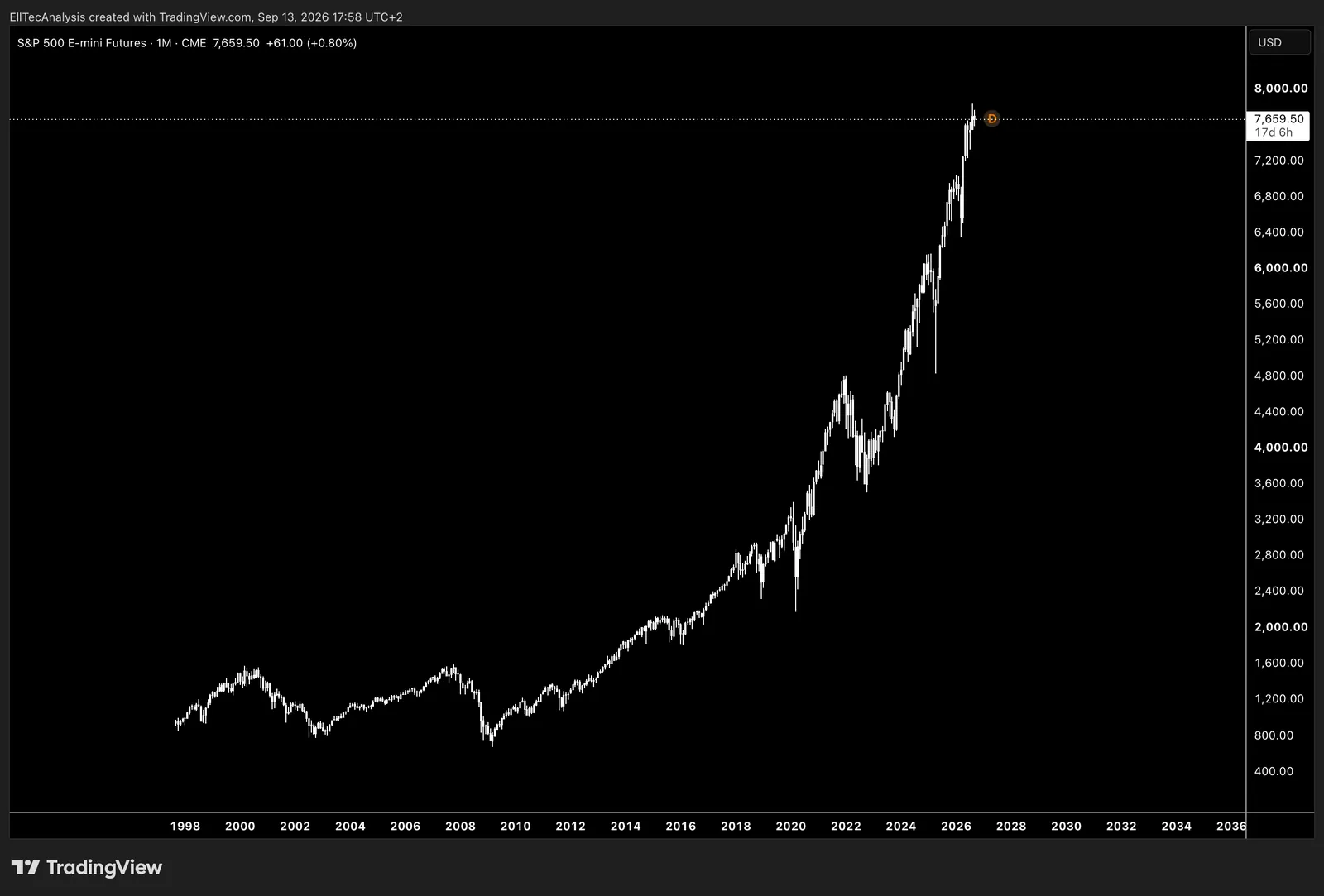
This wikifolio should basically be based on the Elliott wave analysis and cover the widest possible range of stocks, ETFs, ETPs, investment certificates and leveraged products. Purchase or Entry decisions should be made in previously defined target zones, which are calculated using Fibonacci retracements and extensions and are to be validated at my discretion by price action, liquidity zones, fundamental factors and the help of the current market sentiment. Within the framework of the fundamental analysis, aspects of the global analysis are to be incorporated, whereby I pay attention to exchange rates, inflation, money supply development, the political environment and the general course of the economy. In addition, I use quantitative company valuations, which mainly take into account profit development, sales development and the price-to-earnings ratio. In the field of sentiment analysis, I use fear and greed indicators.
A central component of the approach should be the most consistent risk management possible.
The investment horizon should predominantly be short- to medium-term, since the turnover frequency of the positions is typically within this period. In my opinion, individual positions can also be held in the long term. Leveraged products and certificates can be used for short- to medium-term speculation or for hedging.
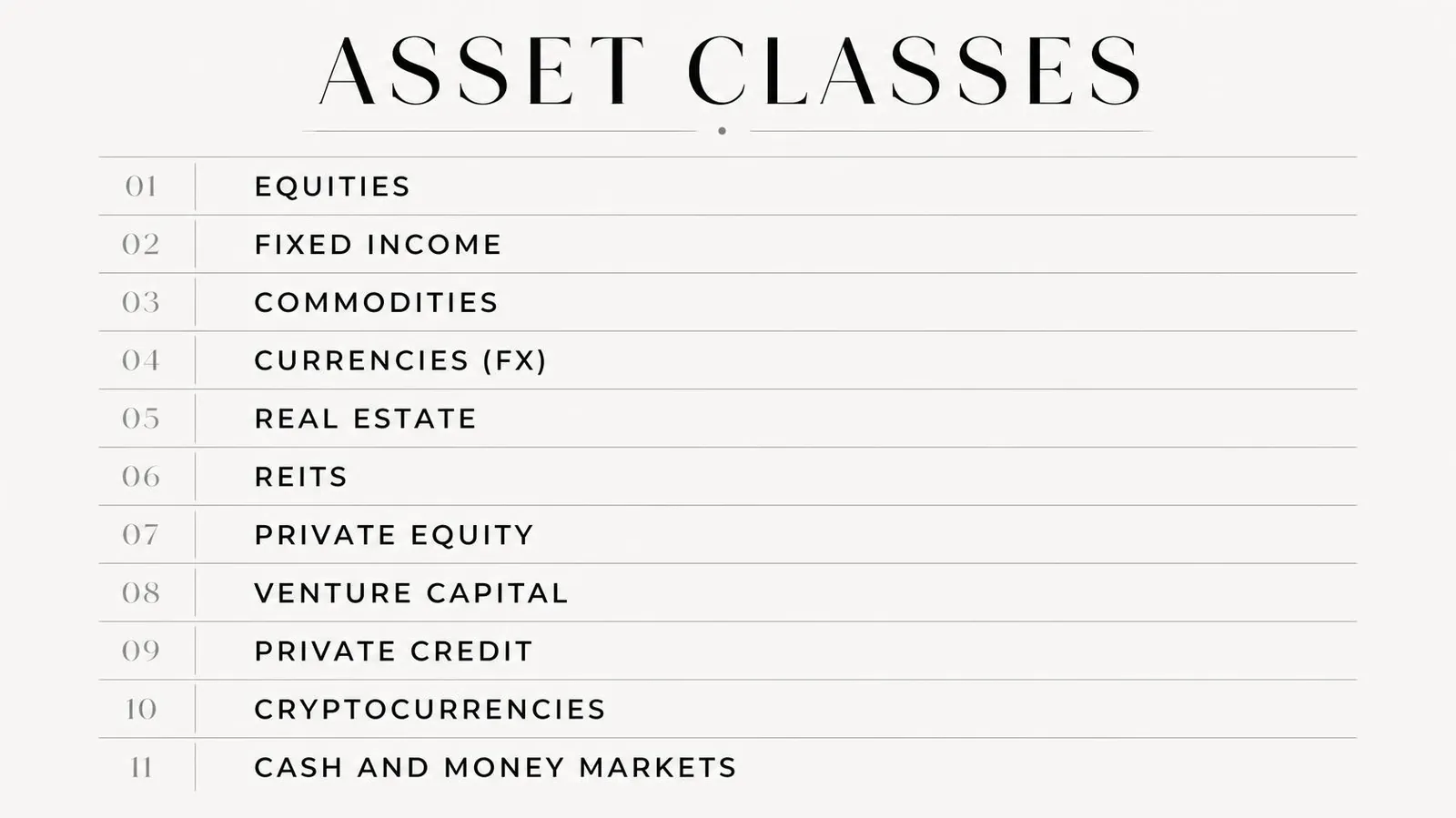
For risk diversification, various underlyings from different asset classes, countries and sectors are to be regularly analyzed and entries are to be planned and implemented. This is intended to avoid a lump risk in a targeted manner.
The aim of this wikifolio is to achieve a possible and sustainable outperformance compared to the overall market through a well-founded and rule-based approach in my opinion and to limit the risk of each individual position as much as possible.
About my risk- and liquidity management
In order to manage my portfolio in a more structured and flexible way, I use dynamic risk and liquidity management.
I basically define the risk of a position via the capital invested and not exclusively via a set stop-loss. The aim is to consistently adapt position sizes to the respective asset class and market opportunities.
I invest up to 20% of the portfolio in the field of cryptocurrencies and crypto-affin companies. Due to appropriate market movements, this share can also increase over 20% over time. The basis for this is my long-term positive assessment of the underlying technology and the market structure.
The position sizes are based on the respective asset class:
• Individual shares: approx. 0.25-1% risk per position
• Long certificates: approx. 0.1–0.5%
• Raw materials: approx. 0.25–2 %
• Stock ETFs: approx. 0.25–2.5 %
In addition, I use money market investments flexibly as a liquidity component in the portfolio.
Bonds are held as an independent defensive portfolio module and serve primarily to stabilize and reduce overall fluctuation. In the case of bond investments, I make sure that individual countries are weighted below 10% of the total portfolio at the time of the investment.
As part of the portfolio allocation, bond and money market positions are completely deducted from the stock allocation when valuing stock investments. I treat these functionally as cash holdings or available liquidity capital and not as part of the invested share risk. This creates a clear separation between risky equity capital and defensive liquidity and stability positions.
Short positions are mainly used when the liquidity ratio in the portfolio falls below 5%. In this context, they primarily serve to stabilize liquidity and to secure existing long positions in a targeted manner. They are therefore a flexible instrument of risk management, but not necessarily a permanent part of the allocation.
With this approach, I enable a broad diversification, the efficient implementation of many investment ideas and at the same time sufficient flexibility for different market phases.
If there are adjustments in the future, I will communicate them transparently. Individual portfolio decisions may deviate from the reference values mentioned according to the situation.
P.S. my wikifolio has the lowest performance fee with only 5%, where I get 50% of this.
Check out my wikifolio